Factory Systems / SCADA
SCADA for Industrial Operations
Bring process values, equipment states, alarms and trends into an operator view designed around the plant.
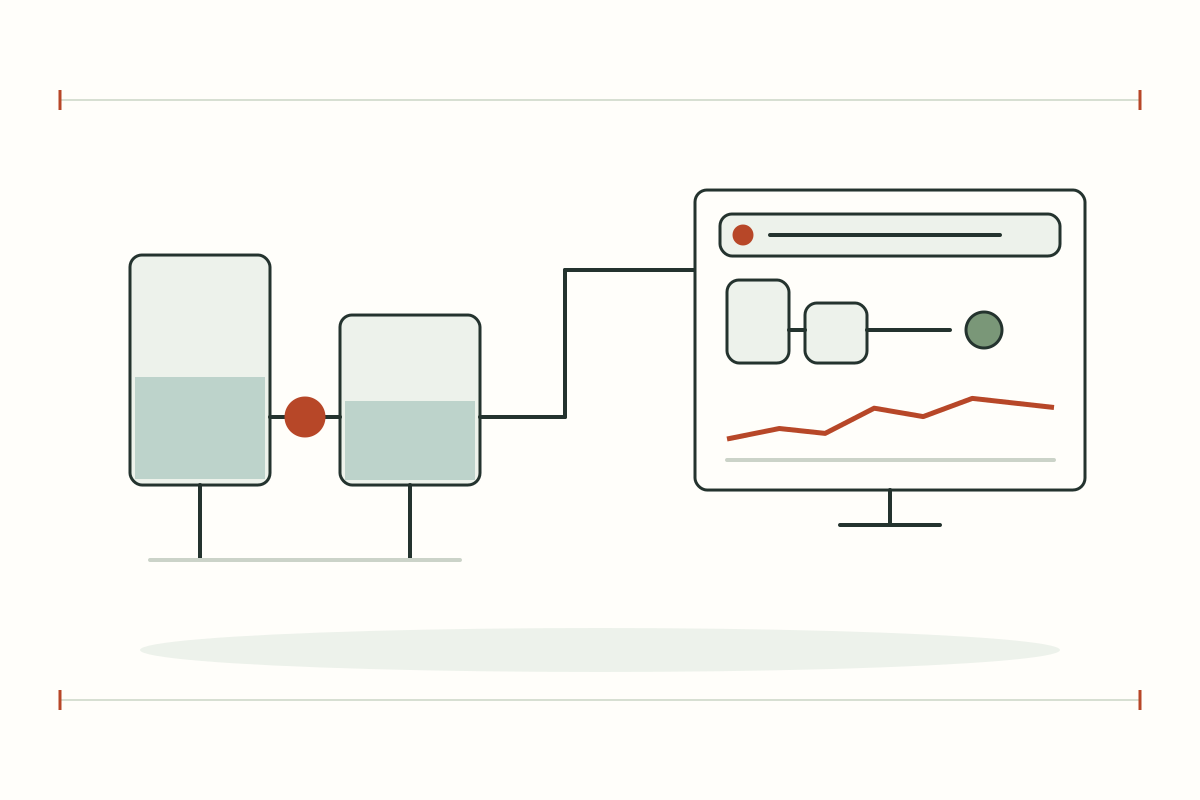
SCADA
Details and scope
Bring process values, equipment states, alarms and trends into an operator view designed around the plant.
- Applications
- Process overview and equipment status · Alarm acknowledgement and event history · Historical trends for investigation
- Project inputs
- PLC models, supported protocols and tag list · Process diagrams, alarm priorities and operator roles · On-site architecture, licensing and historian requirements
- Delivery scope
- SCADA integration is assessed per project. Supervisory commands require an approved control design and commissioning; demo screens do not operate equipment.
- Project format
- Devices with setup or a scoped integration project
- Acceptance
- Validate against actual equipment and customer reference data
Operational uses
Bring process values, equipment states, alarms and trends into an operator view designed around the plant.
- Process overview and equipment status
- Alarm acknowledgement and event history
- Historical trends for investigation
Before system design
Select devices and integration around the actual site.
- PLC models, supported protocols and tag list
- Process diagrams, alarm priorities and operator roles
- On-site architecture, licensing and historian requirements
Scope and acceptance
SCADA integration is assessed per project. Supervisory commands require an approved control design and commissioning; demo screens do not operate equipment.
- Validate readings and events against actual devices
- Specify devices, software licences, integration and training in the quotation
DETAILS & PLANNING
Plan your SCADA project
From site inputs to daily use
SCADA integration is assessed per project. Supervisory commands require an approved control design and commissioning; demo screens do not operate equipment.
- PLC models, supported protocols and tag list
- Process diagrams, alarm priorities and operator roles
- On-site architecture, licensing and historian requirements
Validate before rollout
Compare actual device data with displayed values and source events. Test disconnection, recovery, user permissions and handover documentation against jointly agreed operational scenarios.
- Correct readings and events
- Defined handling of missing data
- Operator acceptance of the workflow
Systems related to this page
Review each system’s scope before opening it or using the example to plan your project.
Simulated data · No physical PLC commands
Factory Operations
Explore machine states, energy, simulated readings and alarms with a 3D scene and example event history.
Demonstration with simulated data
Demo Center
Explore energy, machine monitoring and OEE examples with a 3D factory to understand data and workflows before planning a project.
Questions about this topic
Is this included in every cloud package?
Devices, licences, development and integration are assessed separately from cloud subscriptions. Confirm scope in the quotation.
Can we start with a pilot?
Start with selected read zones or a production line, and validate against actual equipment before adding devices and sites.
Choose hardware and software that work together
Start with your equipment and data points, then define the right site scope.