Separate the responsibilities
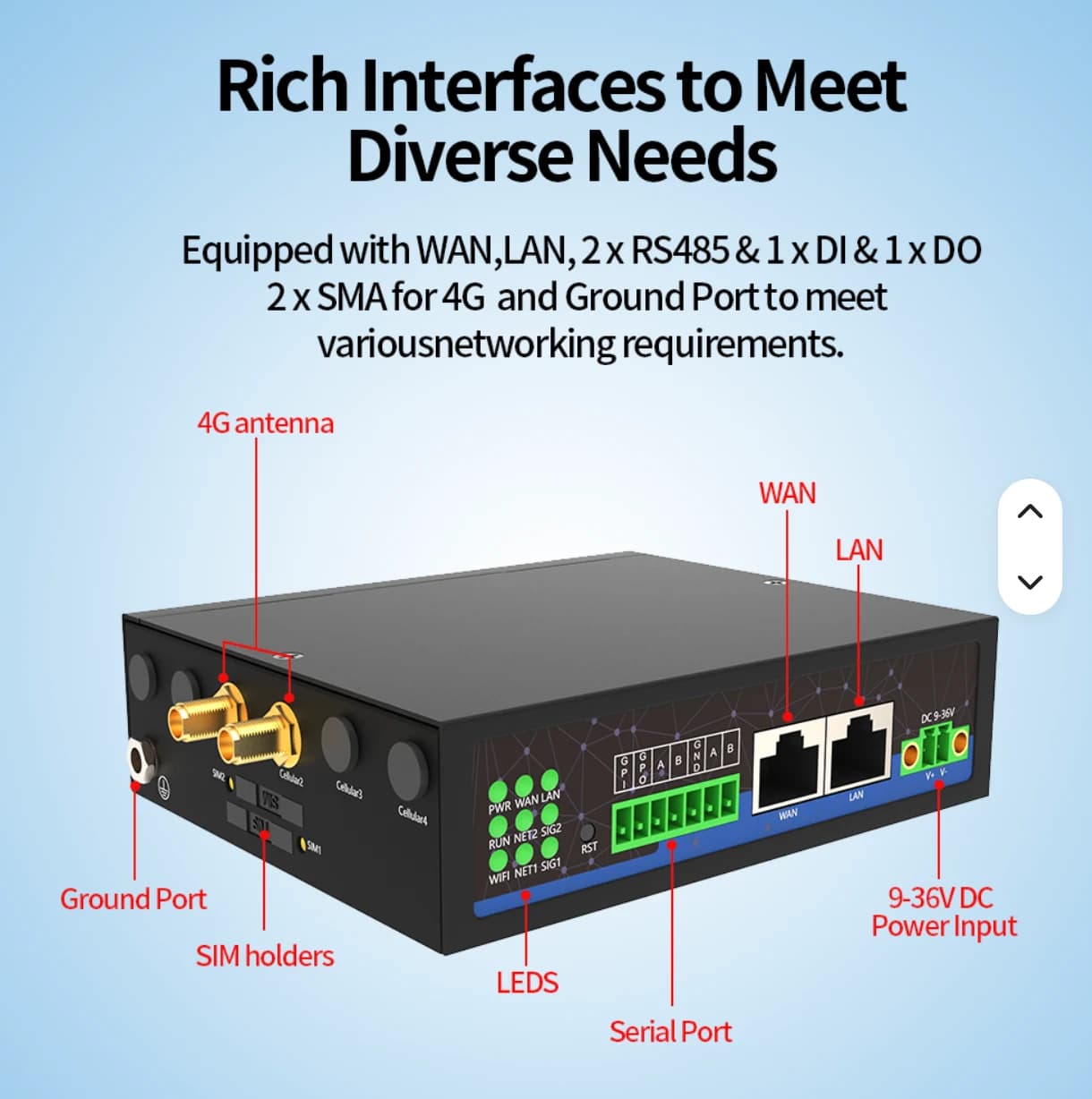
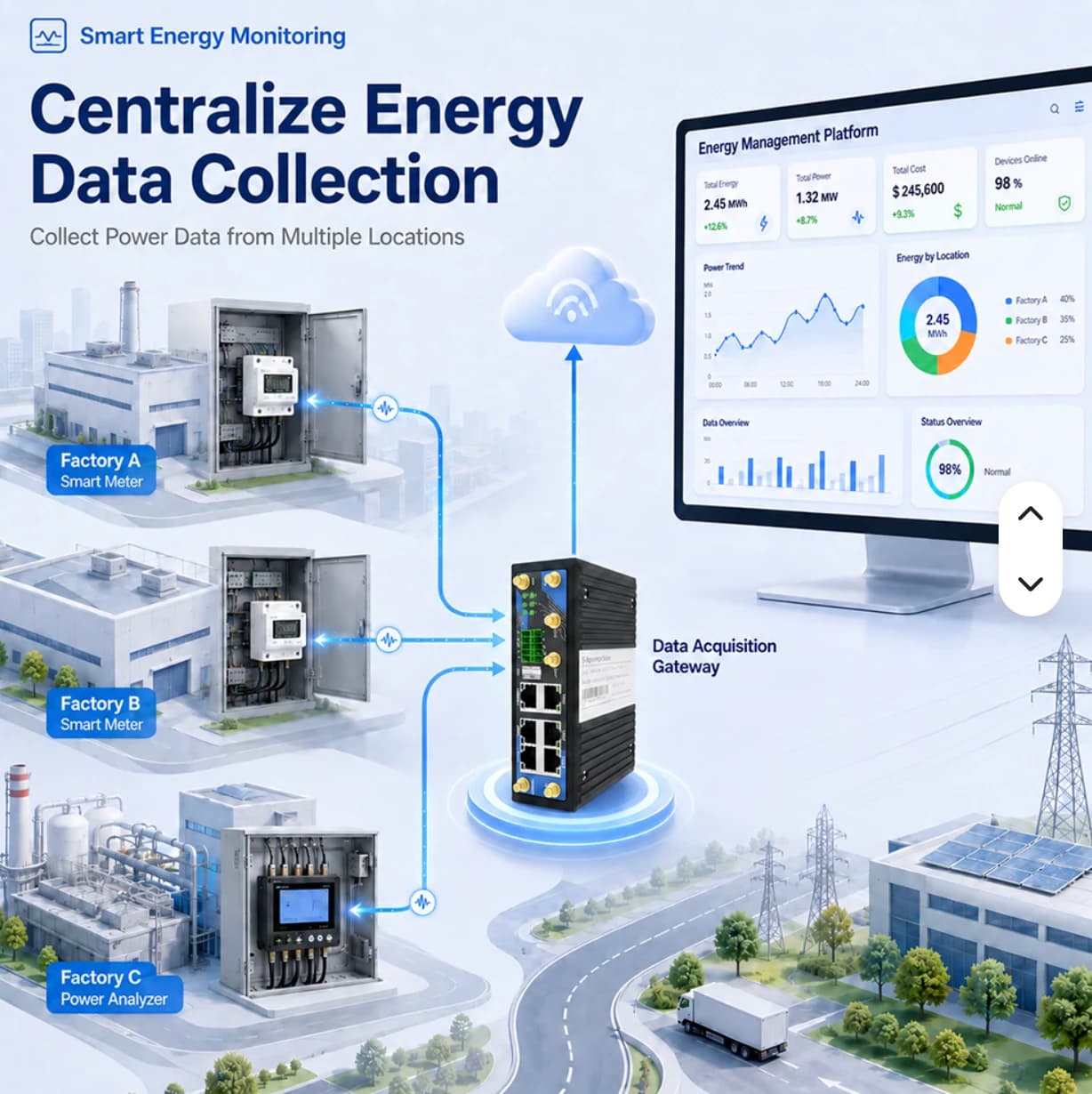
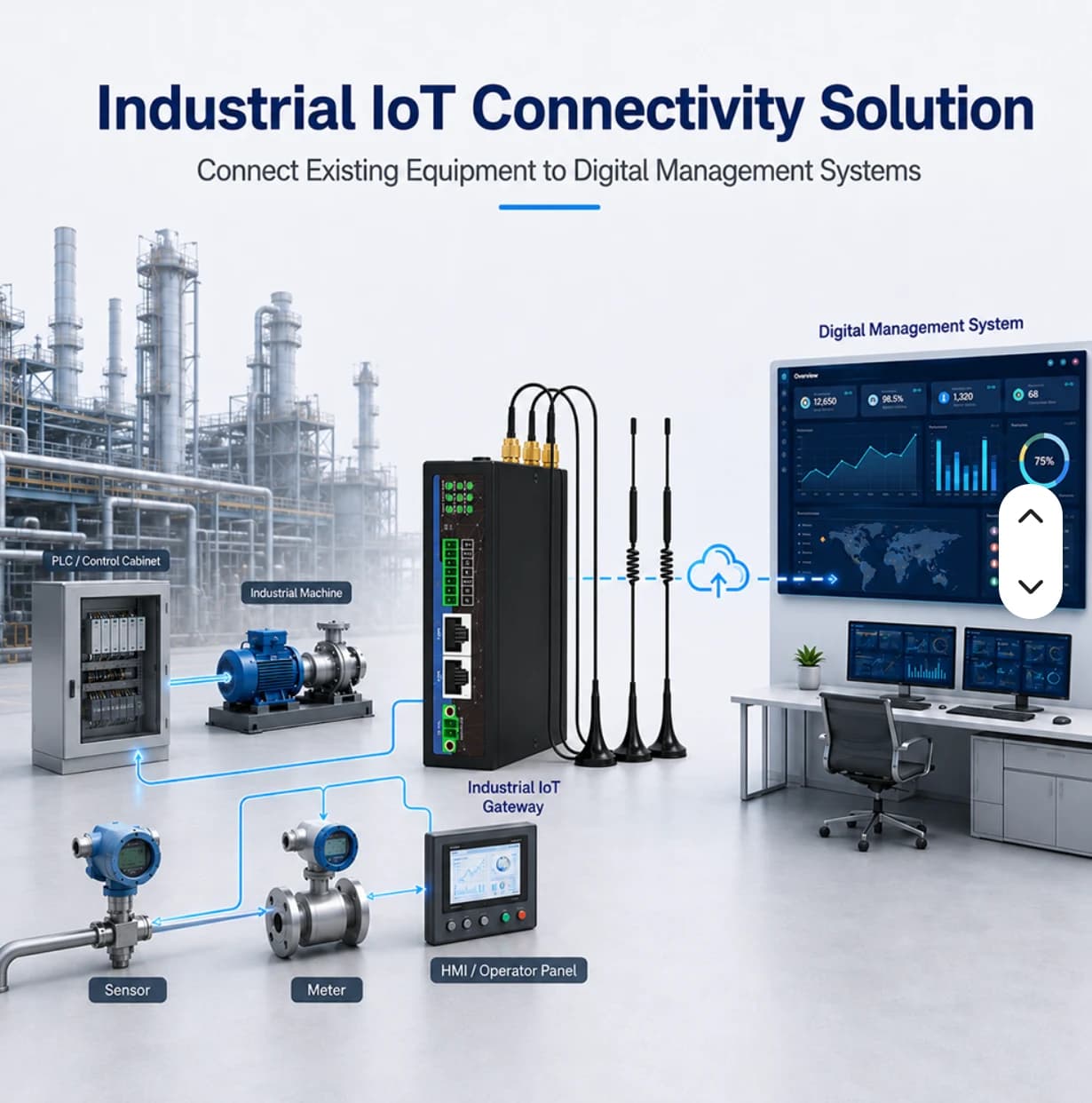
A sensor or PLC provides source data. A gateway reads and collects it. The network carries it to the cloud, and software stores and presents it. Each layer has a different checkpoint.
If a chart stops updating, refreshing the browser alone may not resolve the issue. Work through the source equipment, acquisition, connectivity and display in order.
Modbus and MQTT have different roles
Modbus commonly communicates with field equipment using the data that equipment exposes. MQTT uses publish/subscribe messaging through a broker, connecting data senders with receiving services.
MQTT does not automatically encrypt a connection. TLS and device identity must be configured appropriately. AIoT TH’s gateway-to-cloud design uses MQTT over TLS.
Time and freshness matter as much as value
A reading needs a point identity, a unit and an event time. If it waits in a gateway buffer during an outage, its cloud arrival time may differ from its device sampling time.
Distinguish the latest stored value from the last update time. When a device is offline, a value left on screen should not be treated as a fresh reading.
Check a stalled data path in order
First check whether the source device still exposes the reading. Then check the gateway and network, followed by point mapping and the chart time range. Changing several layers at once makes the cause harder to identify.
- Device: does the model, address and signal list match configuration?
- Gateway: is it connected and able to read that point?
- Network: is LAN or cellular access working at the installation?
- Cloud: is the selected site, point and time range correct?
Agree the software scope
History, alerts and machine control are different capabilities. Seeing a status on a website does not imply that the system can safely send a command back to that equipment.
AIoT TH’s AI features and further integrations remain on the roadmap. The demo contains simulated data and scenarios. Choose a package and project scope around the capabilities your team actually needs.